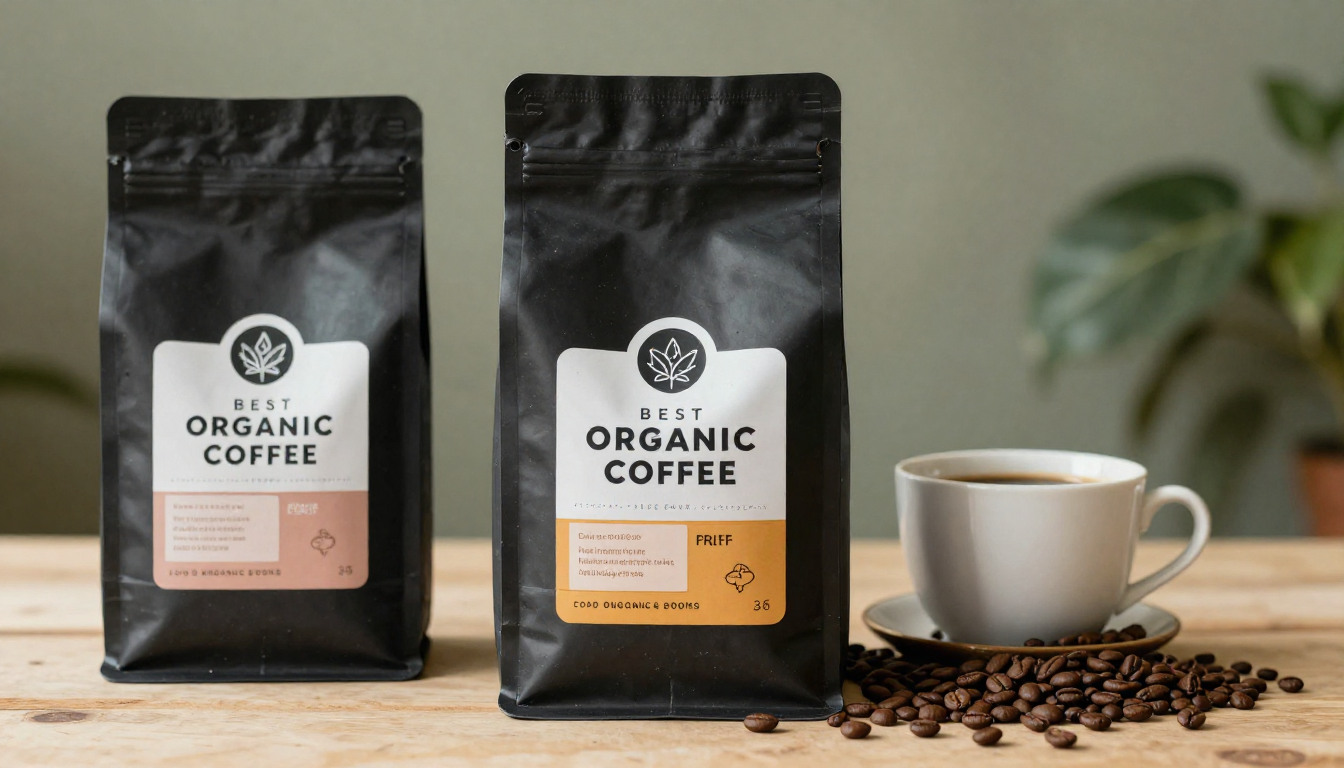
Coffee is more than just a morning ritual—it’s a daily comfort, a productivity booster, and for many, a passion. As more people become health-conscious and environmentally aware, the demand for the best organic coffee has grown significantly. Organic coffee offers a cleaner, more natural cup while supporting sustainable farming practices that protect both people and the planet.
In this comprehensive guide, we’ll explore what makes organic coffee special, how it’s grown, why it matters, and how you can choose the best organic coffee for your taste and lifestyle.
What Is Organic Coffee?
Organic coffee is made from beans that are grown without synthetic pesticides, herbicides, or chemical fertilizers. Instead, farmers rely on natural methods such as composting, crop rotation, and biological pest control to maintain soil fertility and protect their crops.
In countries like the United States, organic coffee must meet strict standards set by the United States Department of Agriculture (USDA). Coffee labeled “USDA Organic” must be grown and processed according to specific guidelines that prohibit the use of artificial chemicals and genetically modified organisms (GMOs).
Organic farming also emphasizes soil health, biodiversity, and ecological balance, which contributes to a more sustainable agricultural system.
Why Choose the Best Organic Coffee?
Choosing the best organic coffee offers several benefits, from health advantages to environmental protection and improved flavor quality.
First, organic coffee reduces your exposure to harmful chemical residues. Conventional coffee farming often uses synthetic pesticides that can remain on the beans or seep into surrounding ecosystems. Organic practices avoid these chemicals entirely.
Second, organic farming protects farm workers and local communities. Without exposure to toxic sprays, workers experience fewer health risks, and nearby water sources remain cleaner.
Third, many coffee enthusiasts believe that organic coffee tastes better. Because organic farming prioritizes soil health, the beans often develop richer and more complex flavor profiles. While taste is subjective, many people notice a smoother and more balanced cup when drinking organic coffee.
How Organic Coffee Is Grown
The journey of the best organic coffee begins on farms, often located in high-altitude regions with ideal climates. Countries such as Colombia, Ethiopia, Peru, and Honduras are known for producing exceptional organic beans.
Organic coffee farmers rely on natural compost made from plant materials and coffee pulp to nourish the soil. Instead of chemical pesticides, they use beneficial insects, natural repellents, and shade trees to manage pests and maintain biodiversity.
Shade-grown organic coffee is particularly beneficial for the environment. Shade trees provide habitats for birds and wildlife while protecting coffee plants from extreme weather. This method also slows the ripening process, allowing beans to develop deeper flavors.
Harvesting is typically done by hand to ensure only ripe cherries are selected. After harvesting, the beans are processed, dried, and roasted before reaching your cup.
Differences Between Organic and Conventional Coffee
While both organic and conventional coffee can taste excellent, the key differences lie in farming methods and environmental impact.
Conventional coffee farming often relies on synthetic fertilizers and pesticides to maximize yield. While this can increase production, it may degrade soil quality over time and harm local ecosystems.
Organic coffee farming avoids synthetic chemicals and focuses on long-term sustainability. Although organic yields can sometimes be lower, the environmental and health benefits make it a preferred choice for many consumers.
Additionally, organic coffee must meet certification standards, while conventional coffee does not have to adhere to these specific environmental regulations.
Flavor Profiles of the Best Organic Coffee
The flavor of organic coffee depends on several factors, including origin, altitude, processing method, and roast level.
Light roasts preserve the original characteristics of the bean, often delivering fruity, floral, or citrus notes. Medium roasts offer a balanced flavor with mild acidity and subtle sweetness. Dark roasts provide bold, smoky, and chocolatey tones.
Regions also influence taste. Ethiopian organic coffee may have bright acidity and berry-like flavors, while Colombian organic coffee often delivers smooth caramel and nutty notes. Peruvian organic coffee frequently features mild sweetness and gentle acidity.
Because organic farming enhances soil health, many coffee lovers find the flavor to be cleaner and more vibrant.
Health Benefits of Organic Coffee
The best organic coffee not only tastes great but may also support overall wellness.
Coffee naturally contains antioxidants, which help combat free radicals in the body. Organic coffee, grown without synthetic chemicals, ensures you’re not consuming unwanted pesticide residues along with those antioxidants.
Studies suggest that moderate coffee consumption may support brain function, metabolism, and heart health. While both organic and conventional coffee contain beneficial compounds, choosing organic minimizes exposure to harmful agricultural chemicals.
For individuals sensitive to additives or concerned about chemical exposure, organic coffee provides peace of mind.
Environmental Impact of Organic Coffee Farming
One of the strongest arguments for choosing the best organic coffee is its positive environmental impact.
Organic farming practices help maintain soil fertility, prevent erosion, and reduce water contamination. By avoiding synthetic fertilizers and pesticides, organic farms protect nearby rivers and wildlife habitats.
Shade-grown organic coffee also supports biodiversity. Birds, insects, and other wildlife thrive in these ecosystems, creating a balanced agricultural environment.
Furthermore, organic farming often overlaps with fair trade practices, ensuring better wages and working conditions for farmers. Though not all organic coffee is fair trade certified, many brands prioritize ethical sourcing.
How to Choose the Best Organic Coffee
With so many options available, selecting the best organic coffee can feel overwhelming. Here are key factors to consider.
First, look for certification labels such as USDA Organic. Certification ensures that the coffee meets established organic standards.
Second, consider the roast level. If you enjoy bright and complex flavors, choose a light roast. If you prefer bold and rich flavors, opt for a dark roast.
Third, check the origin. Single-origin coffees highlight the flavor of a specific region, while blends combine beans from multiple areas for a balanced taste.
Fourth, pay attention to freshness. Coffee tastes best when consumed within a few weeks of roasting. Look for a roast date on the packaging rather than just an expiration date.
Finally, consider whole beans versus pre-ground coffee. Whole beans retain freshness longer and allow you to grind them just before brewing for maximum flavor.
Brewing the Perfect Cup of Organic Coffee
Even the best organic coffee can fall flat if brewed incorrectly. Proper brewing enhances flavor and aroma.
Start with fresh, filtered water. The ideal water temperature is between 195°F and 205°F. Water that is too hot can over-extract the coffee, making it bitter, while cooler water may under-extract and taste weak.
Use the correct grind size for your brewing method. Coarse grinds work best for French press, medium grinds suit drip coffee makers, and fine grinds are ideal for espresso.
Maintain a balanced coffee-to-water ratio, typically one to two tablespoons of coffee per six ounces of water, depending on your taste preference.
Experiment with different brewing methods such as pour-over, French press, AeroPress, or espresso machines to discover which highlights your organic coffee’s unique flavor profile.
Popular Brands Offering the Best Organic Coffee
Many reputable brands specialize in organic coffee. Companies such as Kicking Horse Coffee, Equal Exchange, and Death Wish Coffee offer certified organic options with diverse flavor profiles.
When choosing a brand, read customer reviews, verify certifications, and explore different roast types to find the one that suits your taste.
Conclusion
The best organic coffee offers more than just a delicious cup—it represents a commitment to health, sustainability, and ethical farming. By choosing organic, you reduce exposure to harmful chemicals, support environmentally friendly agricultural practices, and often enjoy a cleaner, richer flavor.
From understanding certifications to selecting the right roast and brewing method, making informed decisions ensures you get the most from every cup. Whether you prefer light and fruity notes or bold and smoky flavors, organic coffee provides a satisfying experience rooted in quality and care.
As consumer awareness continues to grow, organic coffee stands out as a smart and responsible choice for coffee lovers around the world.
Frequently Asked Questions (FAQs)
1. Is organic coffee healthier than regular coffee?
Organic coffee reduces exposure to synthetic pesticides and chemicals. While both types contain antioxidants, organic coffee offers added peace of mind regarding chemical residues.
2. Does organic coffee taste better?
Taste is subjective, but many people find organic coffee smoother and more flavorful due to healthier soil and natural growing methods.
3. How can I tell if coffee is truly organic?
Look for certifications such as USDA Organic on the packaging. Certified products meet strict farming and processing standards.
4. Is organic coffee more expensive?
Organic coffee can cost more due to labor-intensive farming methods and certification processes. However, many consumers believe the benefits justify the price.
5. What is the best way to store organic coffee?
Store organic coffee in an airtight container in a cool, dark place. Avoid refrigeration, as moisture can affect flavor and freshness.